
About the Project
Maps & Plans
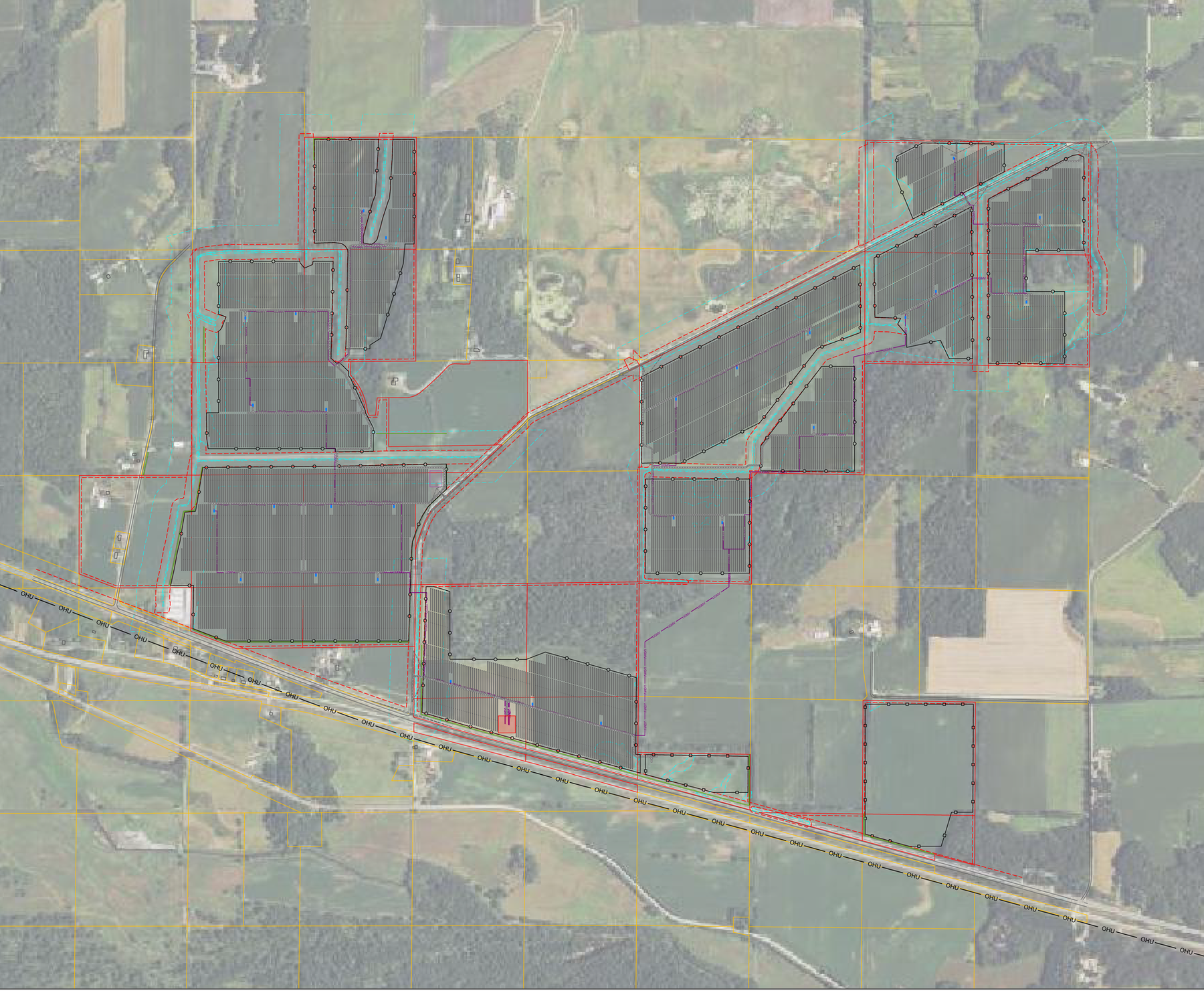
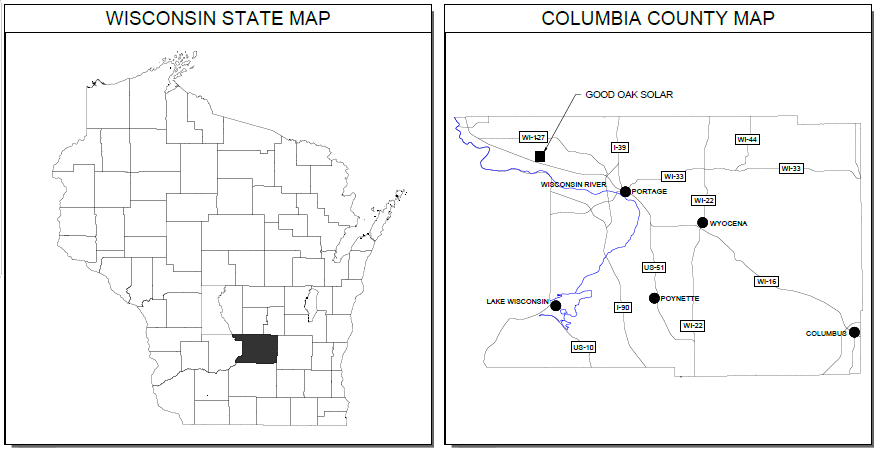
Good Oak Solar is located within the Town of Lewiston in Columbia County.
The project will be 98 megawatts (MW) in size and will occupy up to approximately 620 acres. Every year the project will produce approximately 210,000,000 kilowatt hours (kWh), enough electricity to power approximately 25,000 average Wisconsin homes or roughly the residential population of Columbia County. The project is proposed to interconnect to the existing transmission lines that run adjacent to Highway 16.
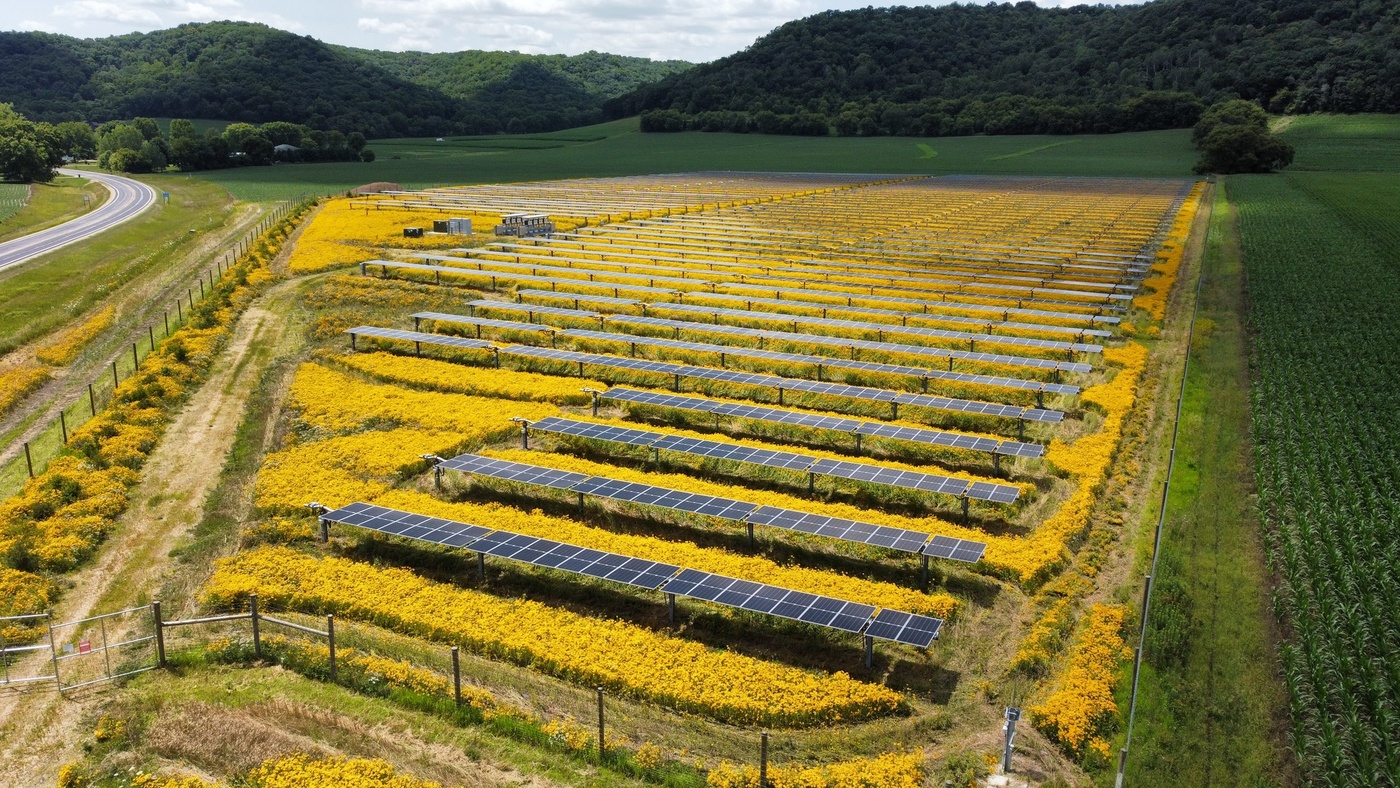
The area beneath and around the panels will be planted to a low-growing perennial pollinator mix across the majority of the project, with pollinator pasture potentially in the northwest section of the array to allow for sheep grazing in partnership with area grazers. The project area will be fenced within an 8’ tall deer-exclusion style fence, similar to what one might find around an orchard.
When the Project is decommissioned, all infrastructure will be removed and the site restored to pre- development conditions for continued agricultural use with rested and restored soils.
Benefits to the Community
In Wisconsin, owners of solar farms greater than 50 megawatts pay annually into a utility aid fund which is shared with the local governments where the solar farm is located. Under the revenue sharing formula currently in place, a qualifying solar farm will contribute $2,333 per megawatt (MW) per year to the county and $1,667 per MW to the township(s) hosting the project, for a total of $4,000 per MW per year.
The Good Oak solar project will contribute $156,000 to Lewiston Township and $235,000 to Columbia County every year. In addition to these direct payments, Good Oak solar is volunteering the following additional contributions:
Portage Community School District
o Proposed Project Pledge Agreement: ~$20,000 / yearSolar System Donation
o Lewiston Elementary – 5kW – energy savings of ~$750 / year
o Portage High School – 25kW – energy savings of $3,400 / year
Project Visualizations
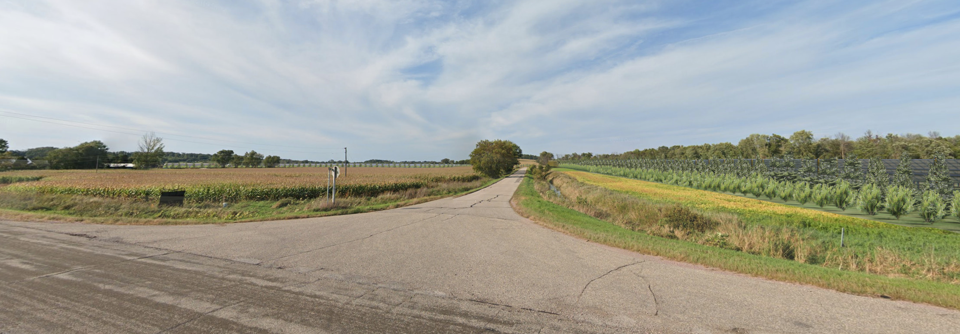
From Intersection of Hwy 16 and Wolfram (SE corner looking North)
This visualization is a view of the project from the Intersection of Hwy 16 and Wolfram Road looking North. On the right hand side of Wolfram as you travel north, shrubs and evergreens will be seen on the east side of the existing ditch.
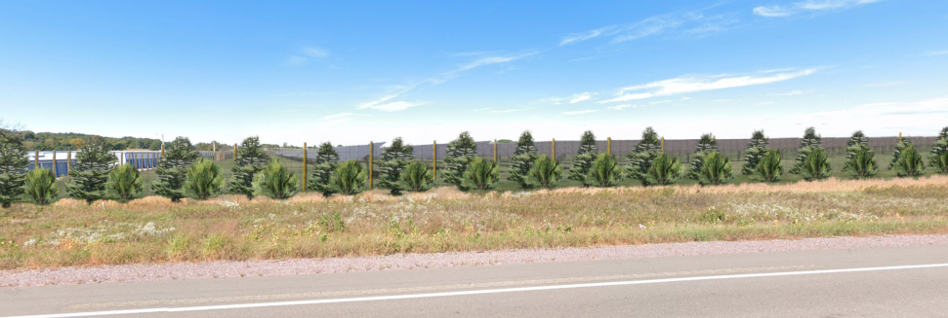
From Highway 16 (SW corner looking North)
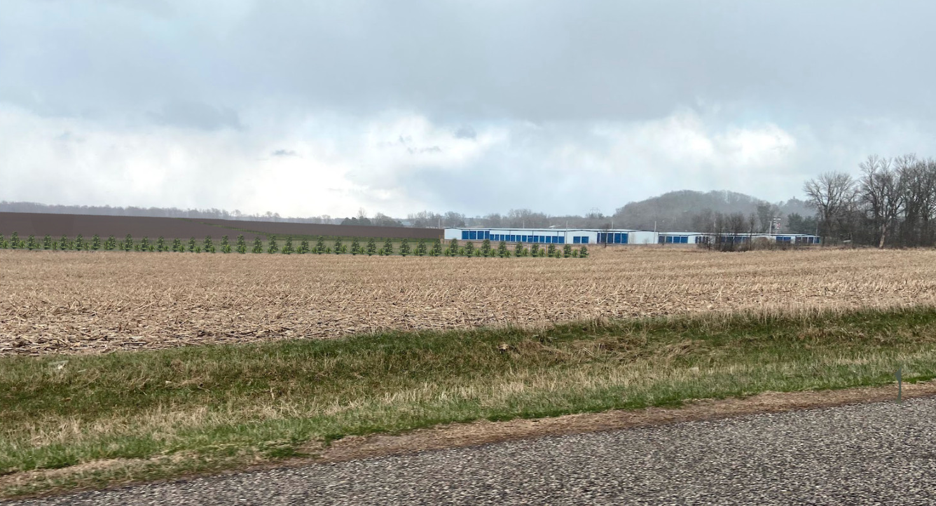
This visualization is a view of the project from Highway 16 in the southwest corner looking North across the project area. The existing KO Storage is visible on the left, and the foreground shows the proposed evergreen and shrub plantings along the frontage of the project with Highway 16.
Lewiston Station Road (West sde of project looking East)
This visualization is a view of the project from Lewiston Station to the west of the project looking East across the project area. The existing KO Storage is visible on the right, and the foreground shows the proposed evergreen and shrub plantings along the frontage of the project with Lewiston Station Road.
Project Characteristics
Land & Agriculture
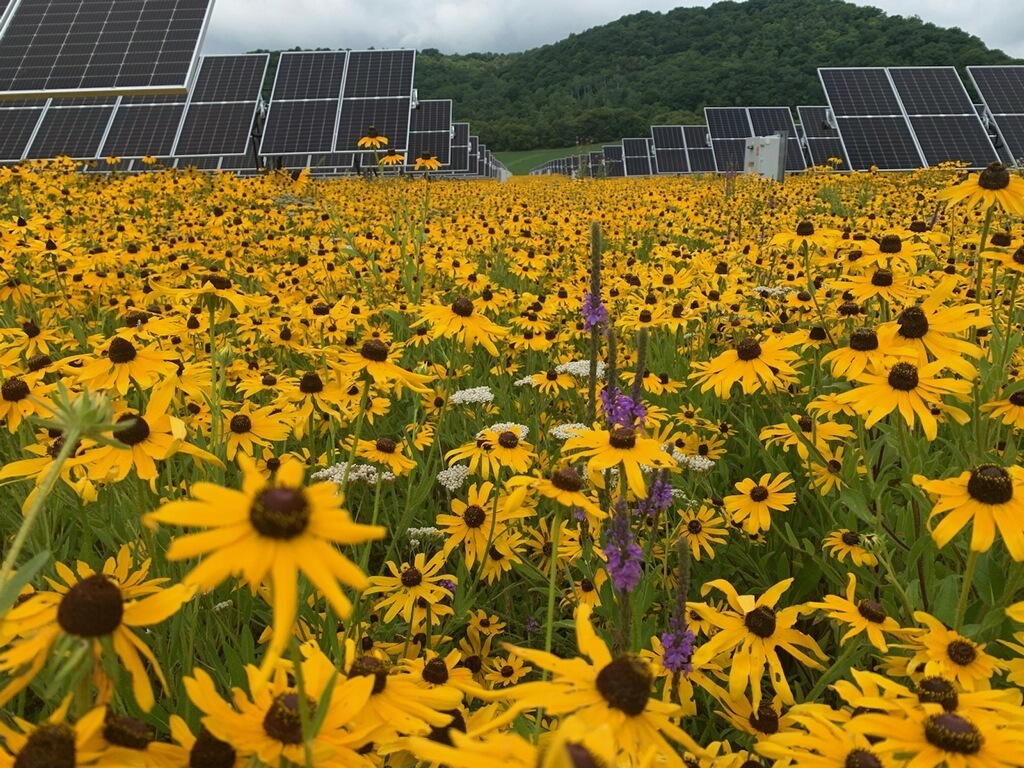
The Good Oak Solar Project is located on private land that is currently used for farming. The project will be planted to either a pollinator pasture mix for grazing sheep or a pollinator prairie mix after construction. Good Oak Solar is currently seeking local farmers to graze sheep on the site underneath a portion of the solar panel area comprising about a third of the site. The remainder of the site will be seeded with pollinator prairie using a seed mix designed in consultation with the Aldo Leopold Foundation to offer maximum benefit to birds and pollinators. With either pollinator habitat or grazing there is no tillage or soil disturbance. As a result, the deep roots of prairie plants help build soil structure, increase organic matter and water retention.
Permitting for the Good Oak Solar Project will consist of a Conditional Use Permit (CUP) from Columbia County. The purpose of a CUP is to allow a use (in this case, solar) in a given zone district that is not allowed by right, but without changing the underlying zoning of the land. The land on which the Good Oak Solar Project is planned is primarily agricultural in nature. Because the project would operate under a CUP, this means that the change in land use is only temporary, and only for this specific project. At the end of the project’s lifetime, the zoning will remain agricultural, and the land will be available to return to an agricultural use.
Roads & Local Infrastructure
As documented in the proposed Joint Development Agreement with Lewiston Township and Columbia County, public roads used to access the project during construction and operations will be left in the same or better condition than they were prior to project use. The only township road planned for use during construction is Wolfram Road between Highway 16 and Marsh Road.
Apart from public roads, the Good Oak Solar Project will not use any other local public infrastructure.
Wildlife
An Endangered species review was conducted on the project site and no impacts are expected given the project’s location and the habitat currently available in the panel areas, which are currently farmed for row crops or hay. Good Oak Solar will consult with the Wisconsin Department of Natural Resources (DNR) to ensure that the site offers the maximum potential benefit to wildlife and threatened and endangered species and creates the best possible habitat during project operations.
Wetlands, Water, & Stormwater
A wetland delineation survey was conducted on the project area. Good Oak Solar is coordinating with the Wisconsin DNR and Army Corps of Engineers to obtain any necessary wetland disturbance permits.
To protect water quality during both construction and operation of the Project, Good Oak Solar will design the project to comply with all relevant and applicable standards and regulations for stormwater management, including those of the Wisconsin Department of Natural Resources (WDNR) and Columbia County. Good Oak Solar plans to accomplish this compliance through employment of temporary and permanent Best Management Practices.
Best Management Practices include:
Preserving the existing vegetation.
Designing the project to be compatible with the existing topography, soils, and vegetation.
Scheduling grading and construction to minimize soil exposure.
Inspecting and maintaining control measures during construction.
Minimizing concentrated flows and diverting runoff away from exposed areas.
Minimizing slope grade and length.
Keeping runoff velocities low by using channel linings or temporary structures in drainage channels.
Preparing drainageways and outlets to handle concentrated or increased runoff.
Using flagged poles or stakes to mark storm drains, catch basins, curb inlets, and other BMPs
Vegetating and mulching disturbed areas.
Restoration, Reclamation, and Revegetation
At the end of the project’s life, Good Oak Solar will be responsible for removing the solar improvements and restoring the land to farmable condition.